
Five tiers
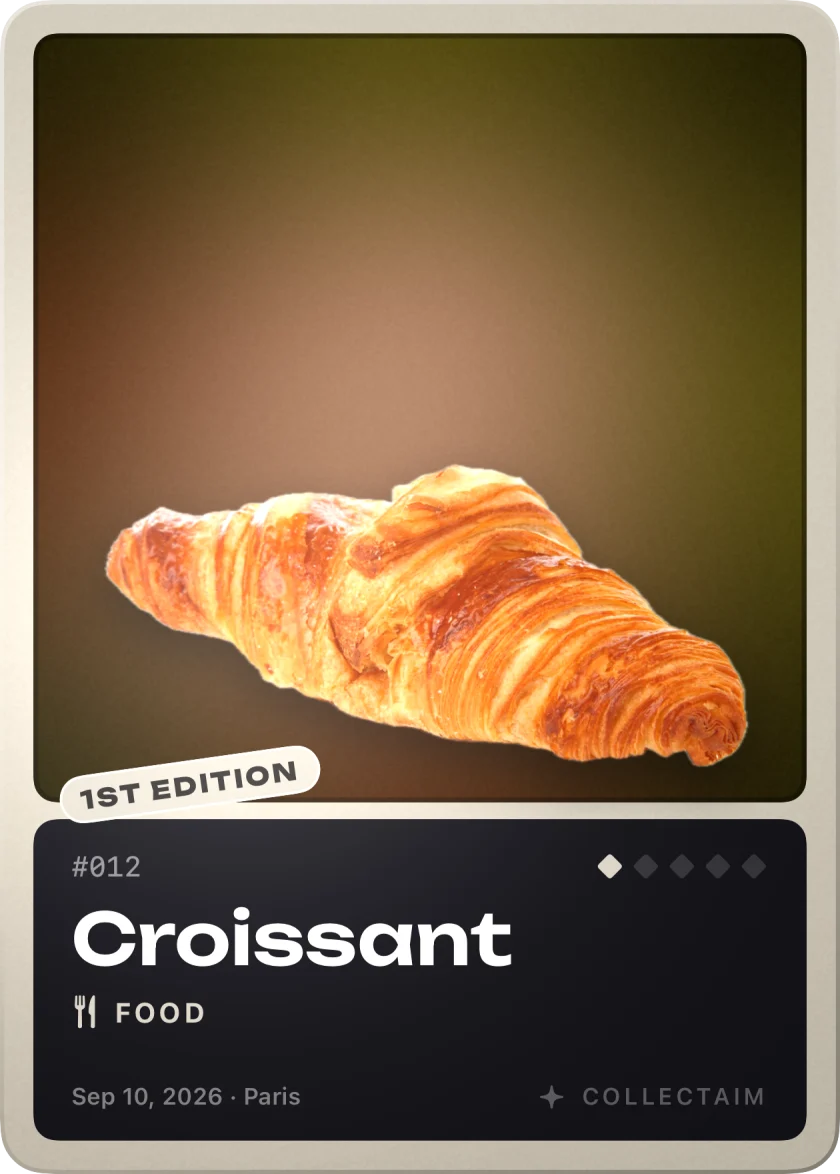 Common
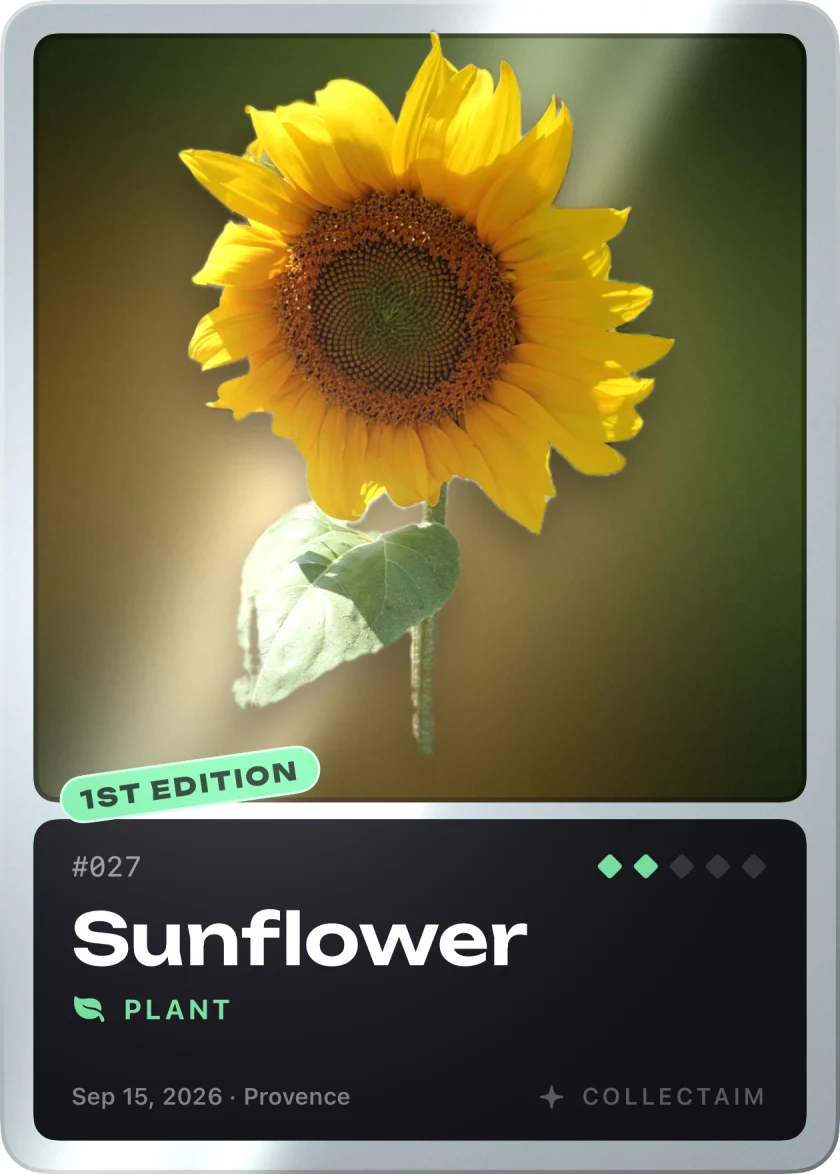 Uncommon
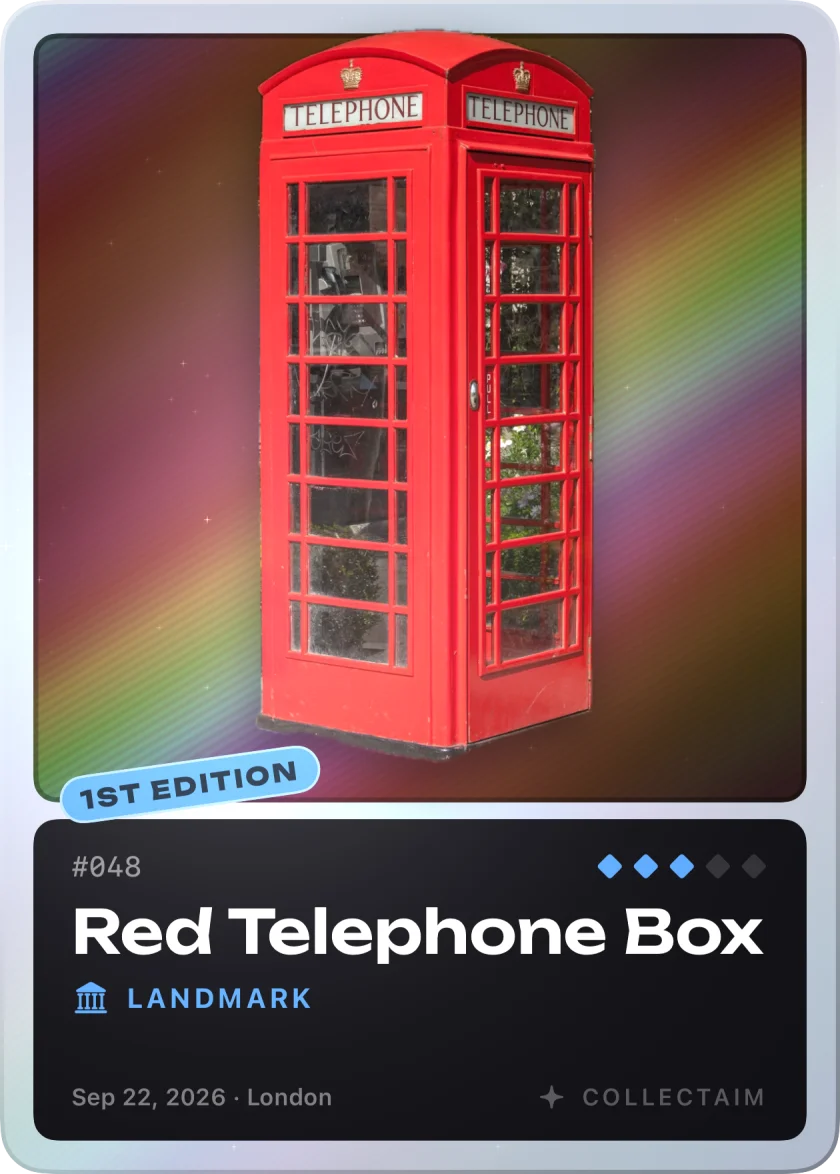 Rare
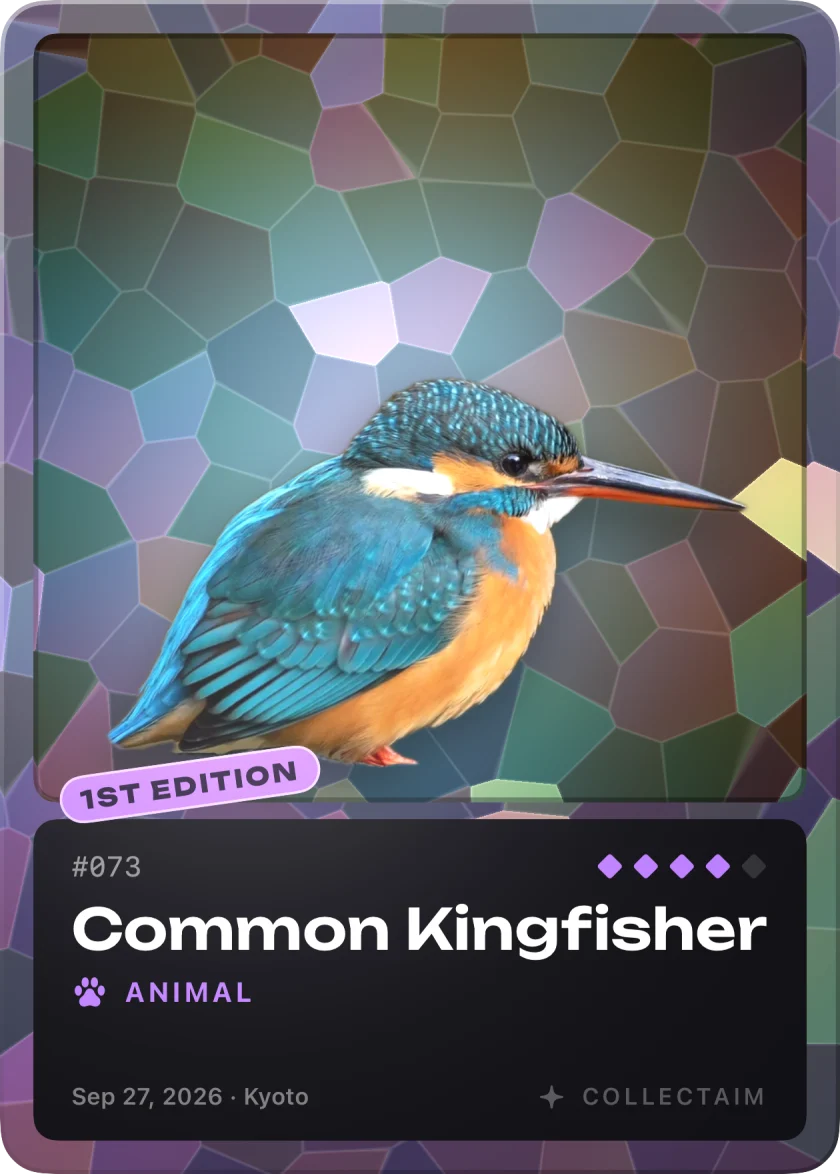 Epic
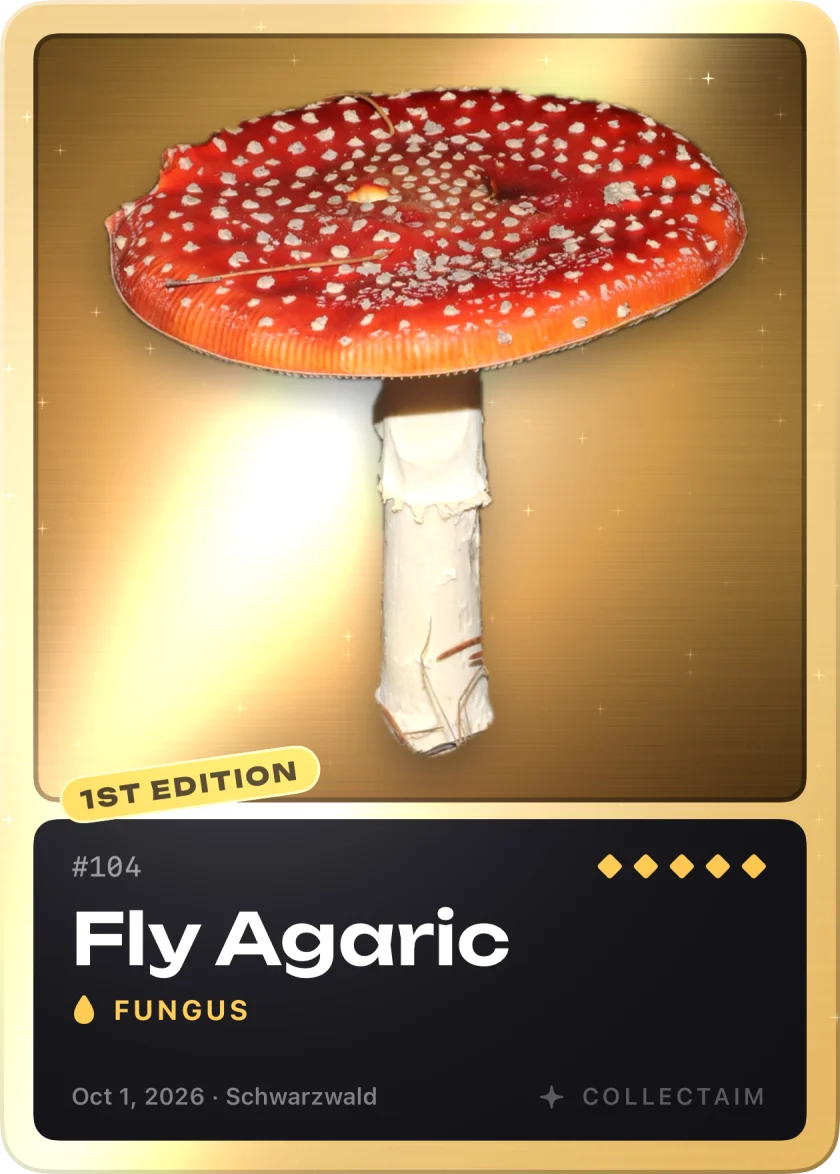 Legendary
| Tier | What it means |
|---|---|
| Common | Most people see it most days. |
| Uncommon | Noticeable, but ordinary. |
| Rare | Most people rarely see it. |
| Epic | Remarkable. Tell someone. |
| Legendary | About one find in five hundred. |
Rarer cards look and feel rarer: rare finds glow when they're revealed; Epic and Legendary ones shake, flash and throw light, and get their own lit case in the Vault.
Wild species: counted, not guessed
For wild plants, animals and fungi, CollectAim looks up the species on GBIF, the Global Biodiversity Information Facility, an open database of species records from museums, surveys and citizen scientists. It counts the records in the country where you made the find (only openly licensed records, refreshed monthly) and compares them with the tenth most-recorded species of the same group in that country:
| Records, compared with the 10th most-recorded species | Tier |
|---|---|
| 30% or more | Common |
| 3% to 30% | Uncommon |
| 0.1% to 3% | Rare |
| 0.01% to 0.1% | Epic |
| Less than 0.01% | Legendary |
So the same species can be Common in one country and Rare in another, just as it is in real life. The card shows the number of recorded sightings and the country, so the tier is never a mystery.
Why the count can't make everything legendary
Sighting records measure attention as well as abundance: birdwatchers log a stork far more often than a pigeon. To keep that from distorting the tiers, the count can move a species down freely, but can lift it at most one tier above the AI's own assessment. If a species can't be matched on GBIF, or the country has no records for its group, the AI's assessment stands.
Everything else: one shared rating
Landmarks, art, food, vehicles, fashion, tech, objects, rocks, garden plants and pets aren't in a sightings database. For these, the first time anyone identifies a kind of thing, the AI's rarity assessment is stored and then shared: everyone who finds that kind gets the same tier. Nobody gets a Legendary croissant by luck.